
The Benefits of Massage & Brushing for Anxious Pups
7 min read
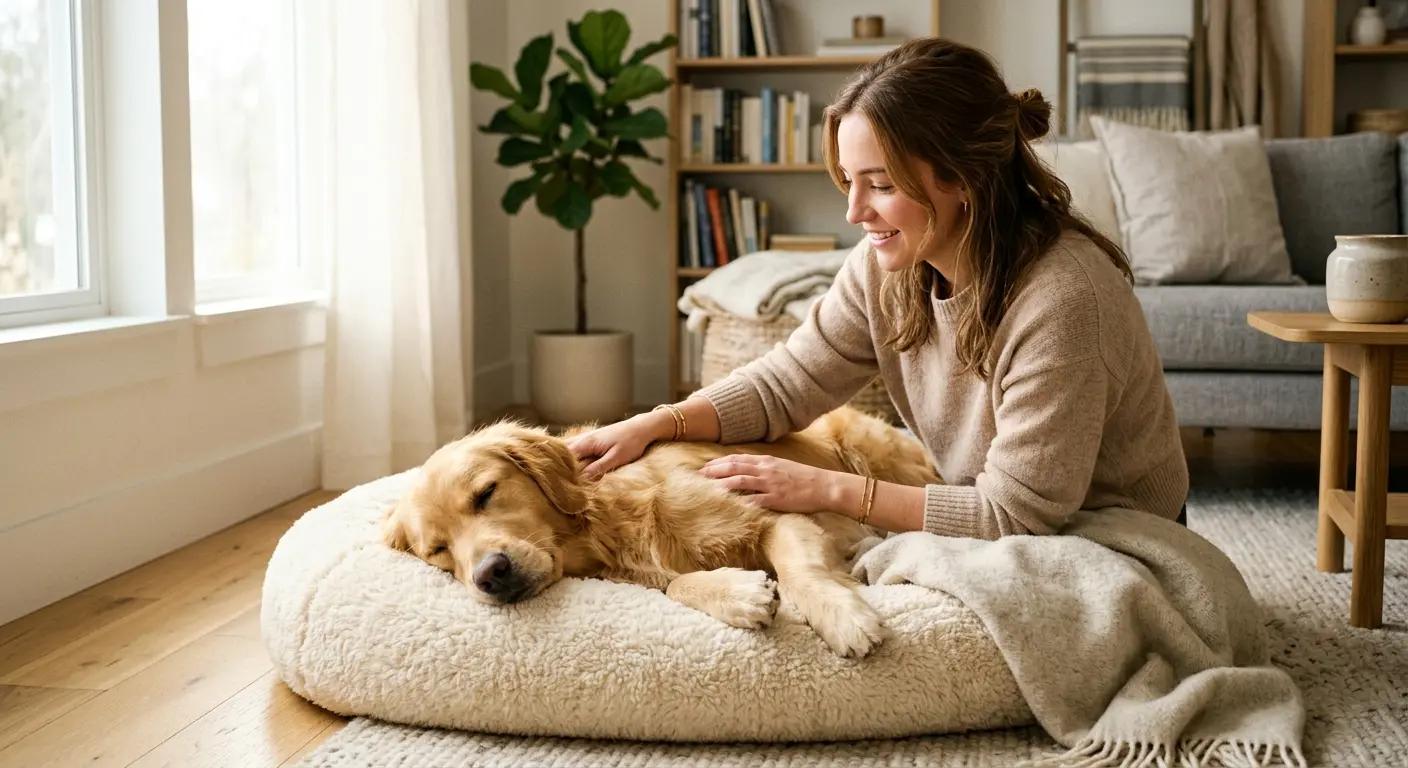
There's something almost magical about a good back rub — and your dog feels the same way. For anxious pups who struggle with new environments, gentle massage and regular brushing can be powerful tools for calming nerves and building trust. These aren't mere luxuries. They're practical, science-backed approaches that many Ruh-Roh Retreat sitters naturally incorporate into their care routines.
Here's why these simple hands-on techniques make such a difference — and how they can transform your dog's boarding experience.
The Science Behind Canine Massage
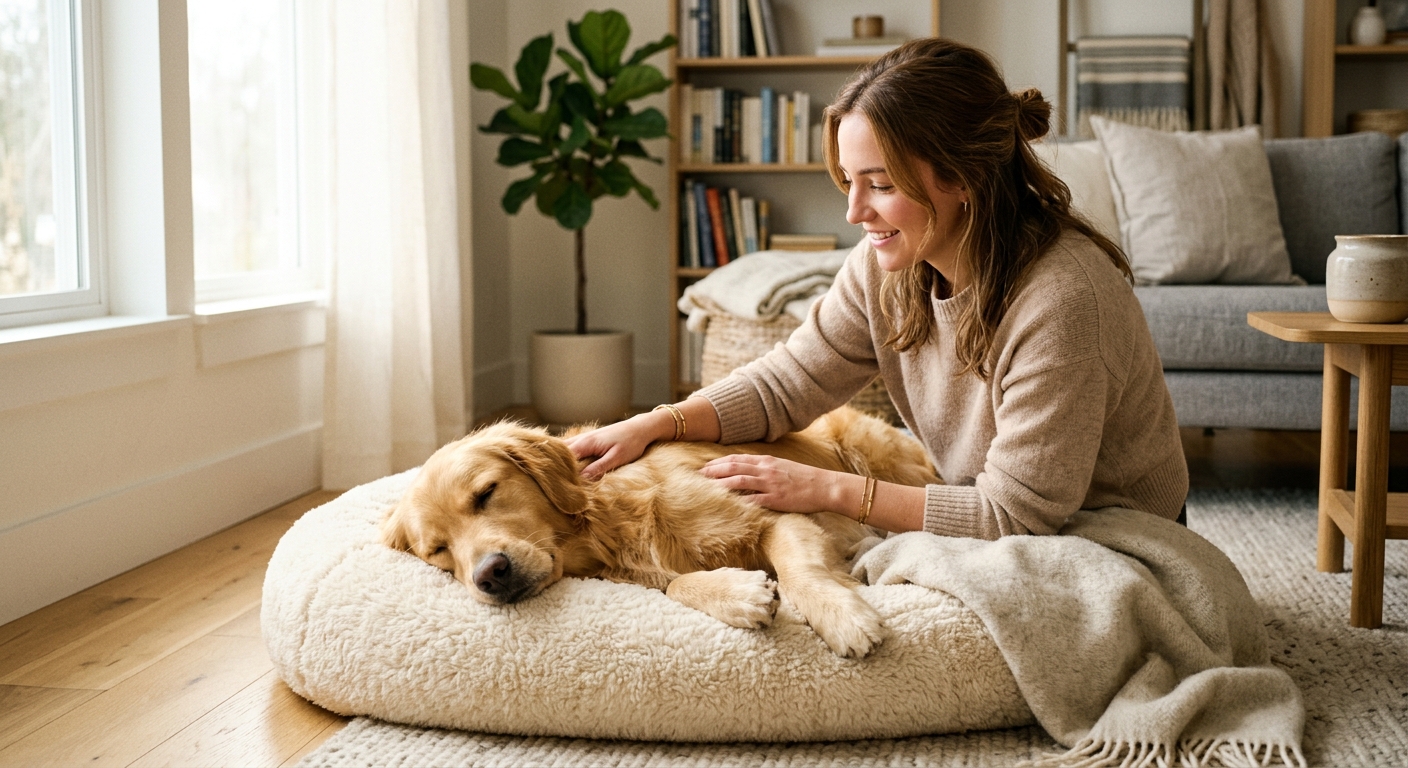
Dog massage isn't just feel-good fluff. Research shows that gentle, rhythmic touch lowers cortisol (the stress hormone) while boosting oxytocin — the same bonding chemical released when you cuddle your pup at home. For dogs in an unfamiliar setting, this biochemical shift can mean the difference between restless pacing and a contented nap.
Many sitters on our platform have discovered this firsthand. They tend to use slow, circular motions along the shoulders and back — areas where dogs hold tension — to help new arrivals settle in. Some focus on the base of the ears, where gentle pressure can calm even the most alert, anxious dog.
Key benefits of canine massage include:
- Reduced anxiety and stress through cortisol regulation
- Improved circulation, which supports healing and joint health
- Muscle tension relief, especially valuable for active or senior dogs
- Stronger bond between the dog and their temporary caretaker
Brushing as a Calming Ritual
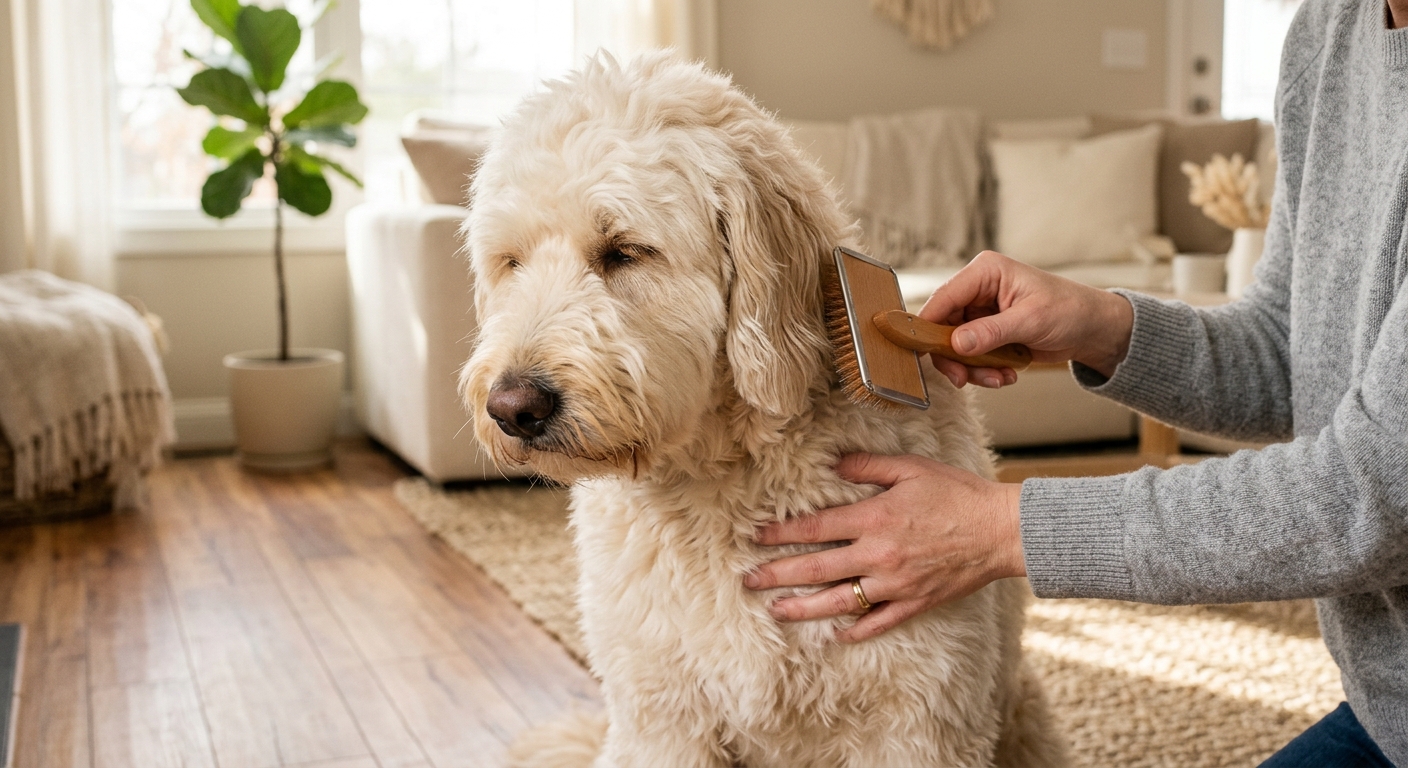
If massage is the deep exhale, brushing is the steady rhythm that keeps a dog grounded. The repetitive, predictable motion of a brush mimics the grooming behavior dogs experience in their pack — it signals safety.
For anxious pups, consistency matters more than anything. When a sitter establishes a daily brushing routine, it becomes an anchor point in the dog's day. The dog learns to anticipate it, and that predictability alone reduces stress. This is closely related to the broader idea of structured daily routines — if you want to go deeper on that topic, why routine and structured care reduce stress is worth a read.
Beyond the emotional benefits, regular brushing during a boarding stay also serves practical purposes:
- Prevents matting that can cause skin irritation and discomfort
- Distributes natural oils for a healthier, shinier coat
- Allows early detection of skin issues, ticks, or hot spots
- Reduces shedding around the sitter's home environment
Reading Your Dog's Body Language
Not every dog responds the same way to touch. Sitters on our platform tend to be attentive readers of canine body language, adjusting their approach based on what each individual dog communicates.
Signs your dog is enjoying the experience:
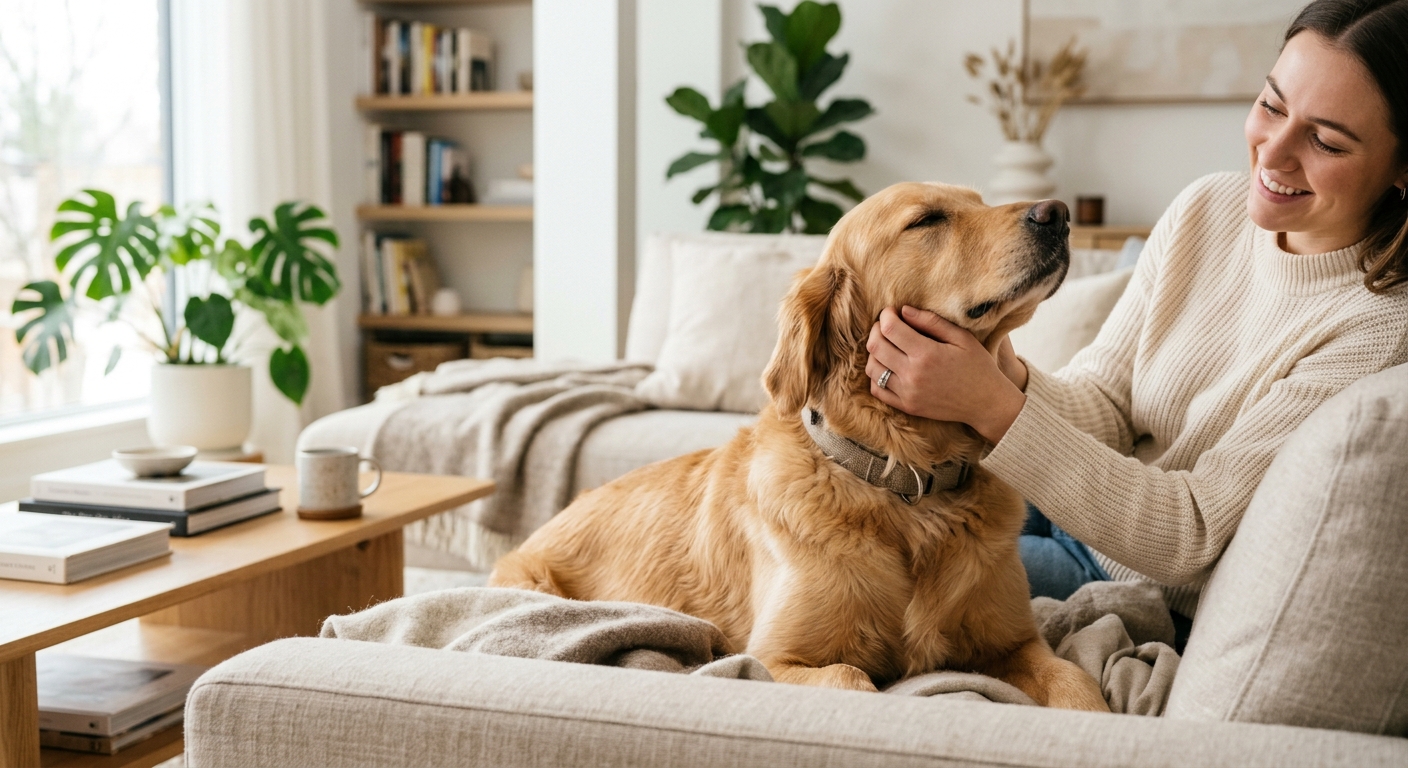
- Soft, half-closed eyes
- Relaxed ears and loose body posture
- Leaning into the touch
- Slow, steady breathing or a contented sigh
Signs to pause or adjust:
- Lip licking or yawning (stress signals, not tiredness)
- Turning the head away or whale eye (showing the whites)
- Stiffening or freezing in place
- Growling or snapping — always a clear "no, thank you"
The beauty of boutique boarding is that sitters have the freedom to pay attention to these cues, generally caring for smaller groups than commercial boarding facilities. That gives them room to offer your dog focused, individual attention throughout the stay.
Simple Techniques Pet Parents Can Try at Home
You don't need to wait for boarding to start building your dog's comfort with touch. Here are a few techniques you can practice at home so your pup arrives already familiar with the routine:
- Effleurage (long strokes): Use flat palms to make slow, sweeping strokes from the neck down to the tail. Keep pressure gentle and consistent.
- Ear slides: Hold the base of your dog's ear between your thumb and forefinger, then gently slide outward to the tip. Repeat 5-10 times per ear.
- Chin and chest circles: Many dogs relax deeply when you make small circles under the chin and across the chest.
- Brushing introduction: Start with short, 2-minute brushing sessions paired with a treat. Gradually increase duration as your dog relaxes into it.
The goal isn't perfection — it's association. When your dog learns that touch equals calm and comfort, that association carries over into their boarding experience. If your pup's anxiety goes deeper than general nervousness in new places, it's worth reviewing the 5 signs your dog has separation anxiety so you can share relevant context with your sitter before the stay.
How Often Should Your Dog Receive These Treatments During a Stay?
One of the most common questions pet parents ask is how frequently these techniques should be incorporated during a boarding stay. The answer depends on your dog's anxiety level and how quickly they bond with their temporary caretaker.
For highly anxious dogs: Daily massage and brushing sessions — even just 10–15 minutes — can significantly reduce stress throughout the stay. The key is consistency. Same time of day, same calm environment, same gentle approach. Predictability is what makes anxious dogs feel safe, and a daily hands-on ritual becomes part of the rhythm they can count on.
For moderately nervous dogs: Every other day tends to work well. These dogs typically warm up within the first 24–48 hours and benefit from touch as a bonding tool rather than a de-escalation one. By mid-stay, many of these dogs are actively seeking out their sitter for a scratch session.
For generally confident dogs: Even calm, easygoing dogs benefit from a few brushing sessions during a multi-day stay — particularly for coat maintenance and as a low-key check for any skin changes, ticks, or hot spots that might otherwise go unnoticed.
One thing to note: the timing of the first session matters. Attempting massage on day one, before a dog has had time to acclimate, can occasionally backfire with a very anxious dog. Experienced sitters on the Ruh-Roh Retreat platform tend to let the dog lead — offering proximity and gentle interaction first, escalating to structured touch only once the dog signals readiness through relaxed body language.
When Touch Isn't the Right Tool
Massage and brushing are powerful, but they're not appropriate for every situation. There are moments when the kindest thing a sitter can do is create space rather than initiate contact.
If your dog is showing:
- Extreme fear responses (trembling, hiding, refusing food for extended periods)
- Redirected aggression when touched in certain areas
- A medical condition that makes touch uncomfortable (recent surgery, skin infection, joint pain)
... then the priority shifts to environmental comfort — quieter spaces, familiar scents, slow desensitization — before hands-on techniques. Share any sensitivity areas or touch-related concerns with your sitter during the pre-boarding conversation. It helps them tailor their approach from day one.
A Calmer Stay Starts with the Right Match
Every dog is different. Some melt into a puddle at the first back rub, while others need days to warm up to being touched by someone new. That's exactly why the Ruh-Roh Retreat network exists — to help you find a sitter whose approach naturally matches your dog's personality.
When you book through our platform, you can share your dog's preferences, sensitivities, and favorite comfort rituals. Many providers incorporate massage and brushing into their daily routines, creating a spa-like experience that keeps anxious pups feeling safe and loved.
Ready to find a sitter who speaks your dog's language? Browse our network of independent sitters and give your pup the calm, hands-on care they deserve.
You Might Also Like
 9 min
9 minJul 11, 2026
How Much Is a Dog Hotel Per Night? Orange County Pricing Explained (2026)
How much is a dog hotel per night? Here's what Orange County pet parents actually pay in 2026 — typical nightly rates, what a per-night price includes, and how to compare quotes before you book.
Read More → 8 min
8 minJul 4, 2026
How to Book a Dog Sitter Online in Orange County: A Step-by-Step Guide
Learn how to book a dog sitter online in Orange County — from comparing sitters to a meet-and-greet to confirming dates — plus the trust signals worth checking before you commit.
Read More → 8 min
8 minJun 30, 2026
July 4th in Orange County: Where to Board Your Dog During Fireworks Season
July 4th is the single biggest day of the year for lost pets nationwide. Here's how Orange County pet parents in Irvine, Costa Mesa, San Juan Capistrano, and Wildomar can plan dog boarding around fireworks season — plus how to keep an anxious dog safe at home.
Read More →