
The Importance of Routine: Why Structured Care Reduces Stress
7 min read
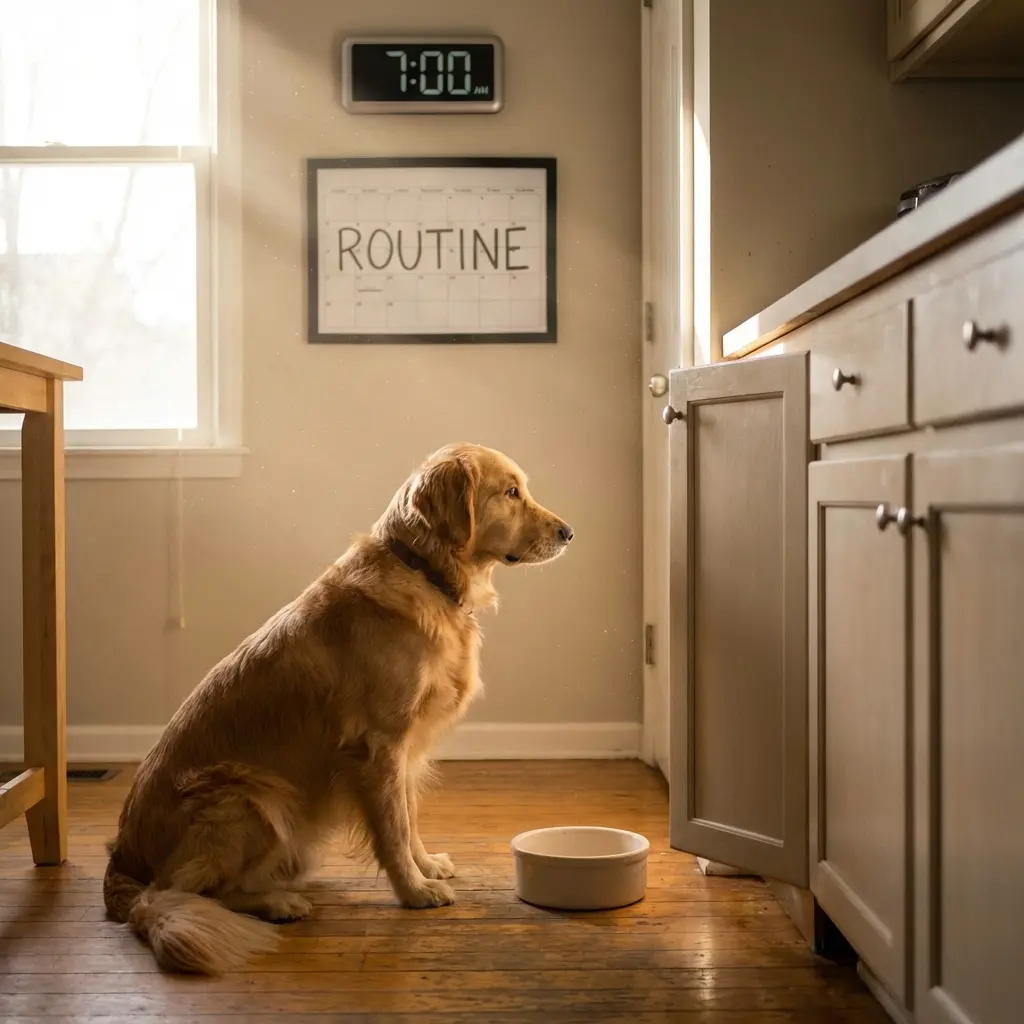
Have you ever noticed your dog standing by their food bowl at 5:59 PM exactly, staring at you with expectation? Or how they bring you their leash at the same time every morning?
Dogs are creatures of habit. They rely on routine to feel safe and understand their world. Predictability lowers their cortisol levels and helps them relax. When you go on vacation and leave them in a new environment, that sense of predictability can shatter — unless you choose a boarding option that prioritizes structure.
This isn't just a theory. The behavioral science behind canine stress is clear: uncertainty is one of the primary triggers of anxiety in dogs, and routine is one of the most reliable tools for managing it. Here's what that means in practice, and why it should factor heavily into your choice of boarding care.
The Science of Canine Cortisol
Cortisol is the primary stress hormone in dogs, just as it is in humans. When a dog encounters something unpredictable — an unusual sound, an unfamiliar environment, an inconsistent schedule — their cortisol levels rise. In small amounts, this is healthy and adaptive. In prolonged or sustained amounts, elevated cortisol suppresses the immune system, disrupts digestion, impairs sleep, and can contribute to chronic anxiety.
Research published in animal behavior journals has found that dogs in novel environments show measurably lower stress when provided with consistent schedules compared to those in unpredictable environments. Even simple cues — meals at the same time, walks at the same time, sleep at the same time — act as anchors that tell a dog's nervous system: this place is safe, I know what comes next.
When you look at your dog's behavior at home, you can often see this in action. The pre-dinner excitement that begins 15 minutes before the bowl hits the floor. The way they trot toward the door at walk time without being called. This isn't just learned behavior — it is their nervous system's way of regulating itself through anticipated pleasure.
When a New Environment Disrupts Your Dog's Routine
In many larger group settings, the daily schedule is set by the facility rather than tailored to each individual dog's routine.
- "Lights out" might be hours earlier or later than your dog is used to.
- Meals may be served on a group schedule rather than at your dog's usual mealtime.
- Group play may involve many dogs together at once, which some dogs enjoy but which can be overstimulating for others.
- Transitions between spaces may follow a group timetable rather than each dog's individual rhythm.
This sudden loss of structure can lead to what veterinary behaviorists call "boarding stress" — a cluster of symptoms including digestive upset, loss of appetite, weight loss over extended stays, exhaustion, and behavioral regression. Some dogs stop eating entirely for the first day or two, which is a telling signal of the psychological toll.
A busy group setting is simply different from a dog's quiet home routine.
The Power of a Customized Routine
This is where boutique in-home boarding genuinely differs. Many in-home sitters tend to approach boarding from the opposite direction: rather than fitting your dog into the sitter's schedule, they fit their schedule around your dog's.
Before arrival, sitters typically ask detailed questions about your dog's daily routine:
- What time do they wake up?
- Do they walk before or after breakfast?
- Do they get a midday snack?
- Is there a particular midday nap time that has become a habit?
- What is their wind-down ritual at night — a final walk, a chew, a cuddle on the couch?
- What time do they typically go to bed, and where do they sleep?
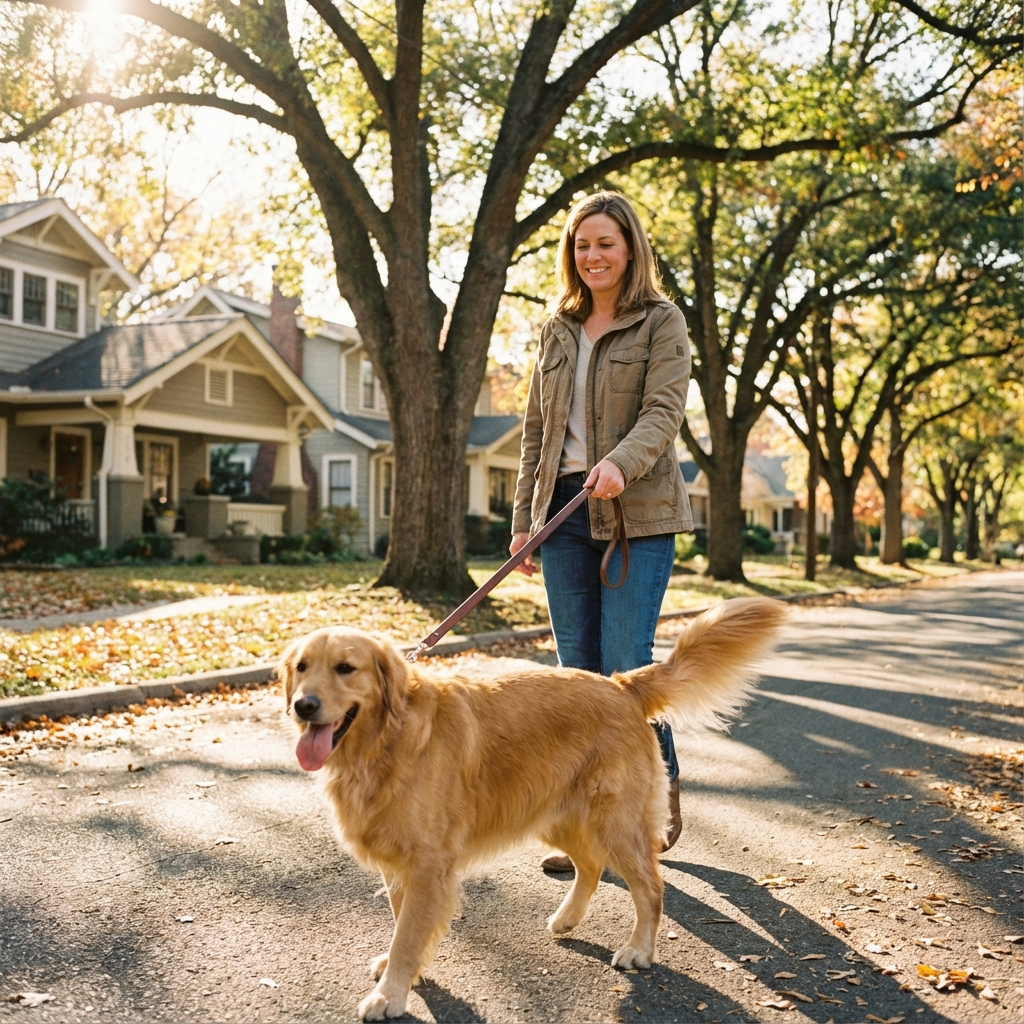
Some sitters go further and ask about the micro-rituals that might seem trivial to you but are deeply significant to your dog: the specific tone of voice used for mealtime, whether the morning walk goes left or right out of the front door, whether your dog gets a treat after their walk as a matter of routine.
These details are not excessive — they are precisely what allows a skilled sitter to create continuity in an unfamiliar environment.
Why Routine Matters: The Three Dimensions
1. Physical Health
Regular feeding and potty times prevent digestive disruption. Dogs are biologically designed to eat on a schedule — their digestive enzymes and hormones are partially regulated by meal timing. A dog fed two hours late, or who skips a meal due to stress, can experience bloating, loose stools, or vomiting. Regular toilet breaks also prevent accidents and the associated stress response that comes with them for a house-trained dog.
Walks at consistent times keep energy levels regulated and prevent the buildup of frustrated energy that often shows up as destructive behavior or excessive vocalization.
2. Mental Security and Emotional Regulation
When a dog knows what comes next, they do not have to scan the environment for threats or cues. This cognitive "settling" is what you are aiming for during boarding. The rhythm signals safety — "okay, we just had our walk, now it's nap time, this is what happens every day, I understand this place."
This predictability is especially important for dogs with any history of anxiety. Our post on 5 signs your dog has separation anxiety explores how separation-anxious dogs are particularly dependent on environmental cues to feel safe, and how disrupting those cues amplifies the anxiety response.
3. Better Sleep and Genuine Rest
A dog who is anxious and disoriented rarely sleeps well. They may pace, pant, or startle awake at unfamiliar sounds. Sleep deprivation compounds stress, creating a negative cycle that can last the entire boarding period and extend into the days after you return.
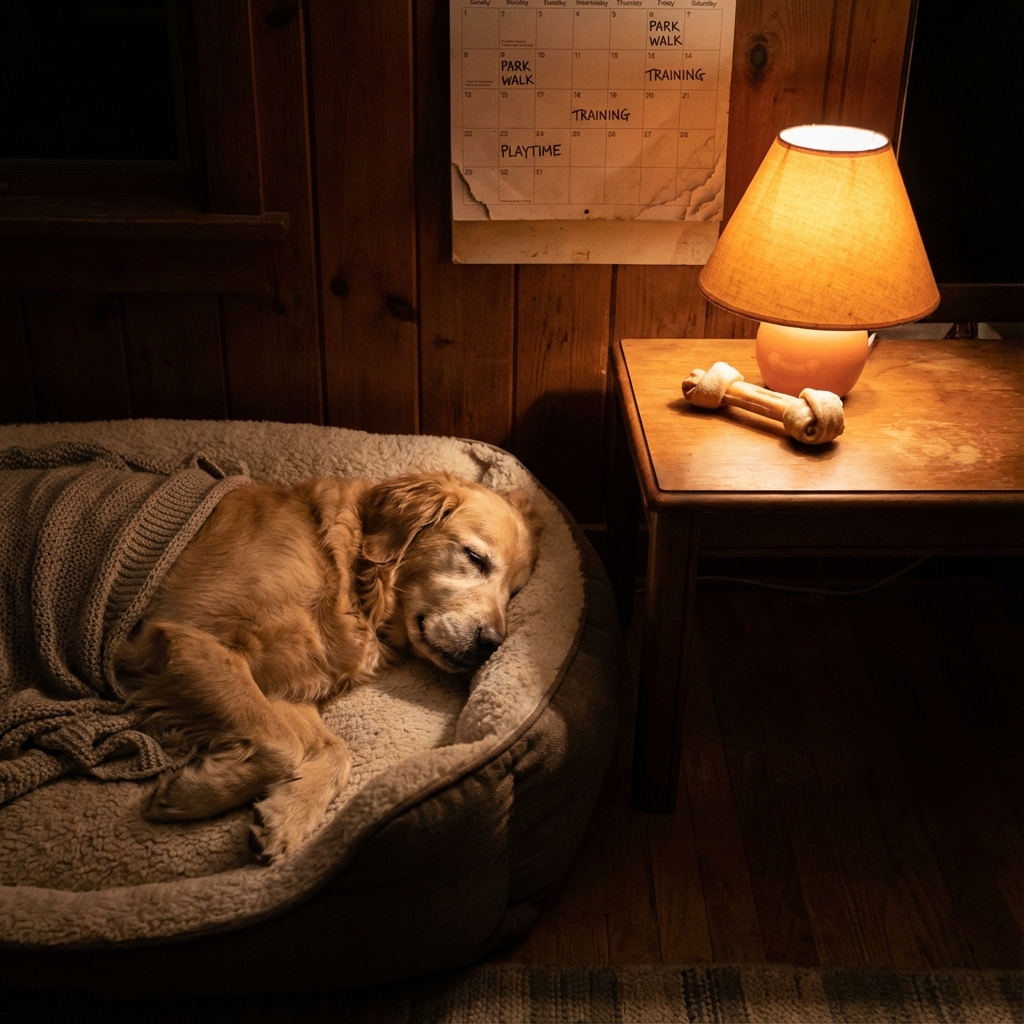
By contrast, a dog who has had a stimulating, structured day — appropriate exercise, mental enrichment like Sniffari walks, a consistent dinner time — and who goes to bed in a calm, predictable way is set up for deep, restorative sleep. Many owners remark that their dogs seem remarkably settled when picked up from a sitter who prioritized routine, with no adjustment period needed when they return home.
What to Tell Your Sitter Before Drop-Off
To make routine-based care possible, you need to give your sitter detailed information. Here is what to document before any boarding stay:
- Morning routine: Wake time, immediate potty trip timing, pre-or post-breakfast walk.
- Feeding schedule: Exact meal times, portion sizes, any supplements or toppers.
- Exercise pattern: How many walks, how long, what pace, are Sniffari-style walks part of their routine?
- Midday behavior: Do they nap? Are they typically calm or energetic in the afternoon?
- Evening wind-down: Dinner time, any post-dinner activity (another walk, play session, training?), bedtime routine.
- Sleeping arrangements: Where do they sleep? Are they crated? Do they need a specific toy or blanket?
- Behavioral cues: What does "ready for bed" look like in your dog? What does "over-stimulated" look like?
Providing this information isn't being overly demanding — it's giving the sitter the tools they need to genuinely care for your dog rather than just manage them.
Continuity as an Act of Care
Sitters who prioritize routine aren't just "watching" your dog. They are stepping into your shoes — maintaining the structure you have worked hard to build, adapting to the individual animal rather than expecting the animal to adapt to them.
This kind of care requires more attention and effort than simply providing food, water, and a safe space. It is the difference between adequate care and genuinely good care. And for many dogs, particularly sensitive breeds, anxious dogs, or senior dogs with established patterns, it makes the difference between a stressful ordeal and a peaceful stay.
Routine isn't boring — it is the language of love for your dog.
Looking for a sitter who will honor your dog's schedule? Many platforms make it easy to find a sitter; Ruh-Roh Retreat makes it easier to find the right one — compare a curated community of experienced sitters and choose the experience that fits your individual dog. Browse sitters on Ruh-Roh Retreat and find someone who puts your dog's routine first.
You Might Also Like
 9 min
9 minJul 11, 2026
How Much Is a Dog Hotel Per Night? Orange County Pricing Explained (2026)
How much is a dog hotel per night? Here's what Orange County pet parents actually pay in 2026 — typical nightly rates, what a per-night price includes, and how to compare quotes before you book.
Read More → 8 min
8 minJul 4, 2026
How to Book a Dog Sitter Online in Orange County: A Step-by-Step Guide
Learn how to book a dog sitter online in Orange County — from comparing sitters to a meet-and-greet to confirming dates — plus the trust signals worth checking before you commit.
Read More → 8 min
8 minJun 30, 2026
July 4th in Orange County: Where to Board Your Dog During Fireworks Season
July 4th is the single biggest day of the year for lost pets nationwide. Here's how Orange County pet parents in Irvine, Costa Mesa, San Juan Capistrano, and Wildomar can plan dog boarding around fireworks season — plus how to keep an anxious dog safe at home.
Read More →