
Puppy's First Boarding: How to Prepare for Success
8 min read
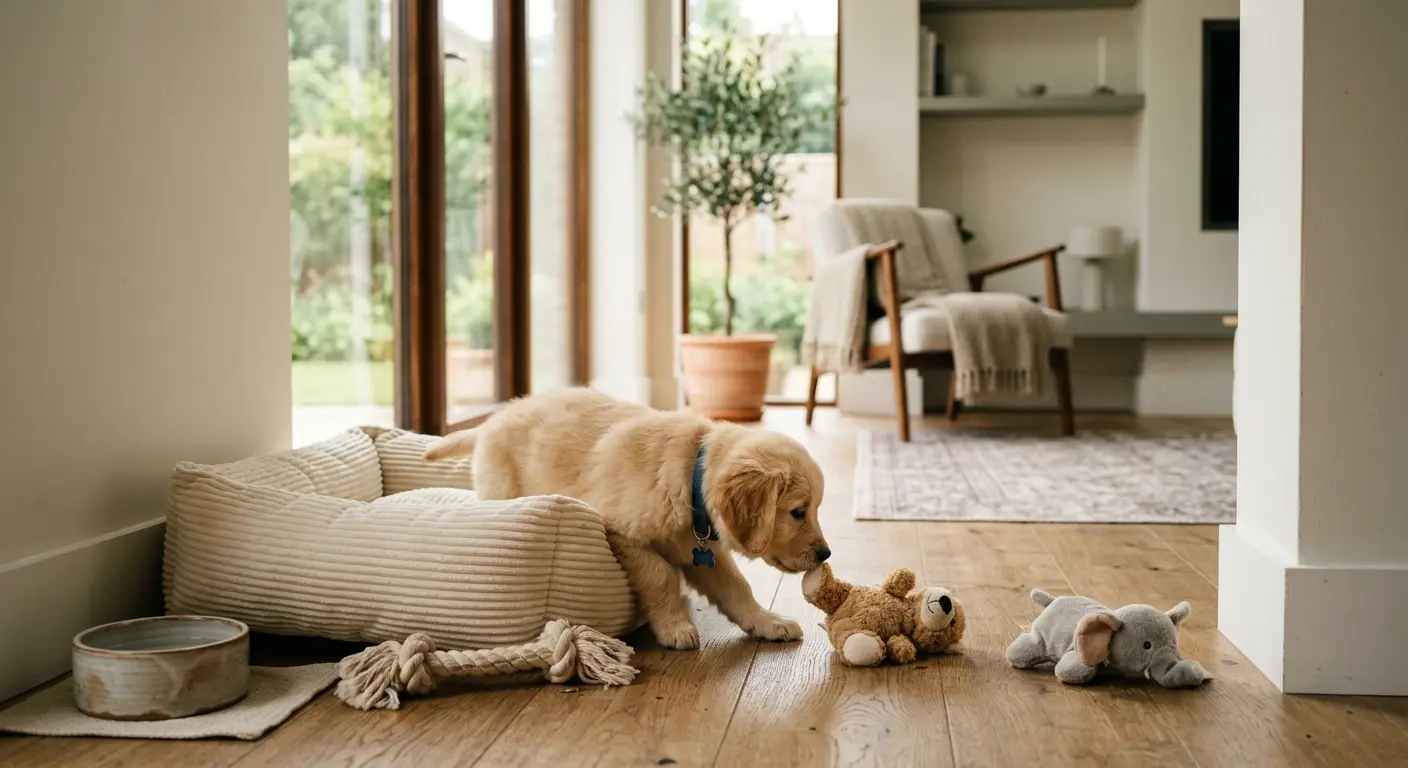
Dropping off your puppy for the first time feels a lot like that first day of preschool — except your "kid" can't tell you how it went afterward. The good news? With a little preparation, most puppies adapt faster than their owners expect. The key is setting your pup up for success before, during, and after that first stay.
Here's your practical guide to making your puppy's first boarding experience a positive one for both of you.
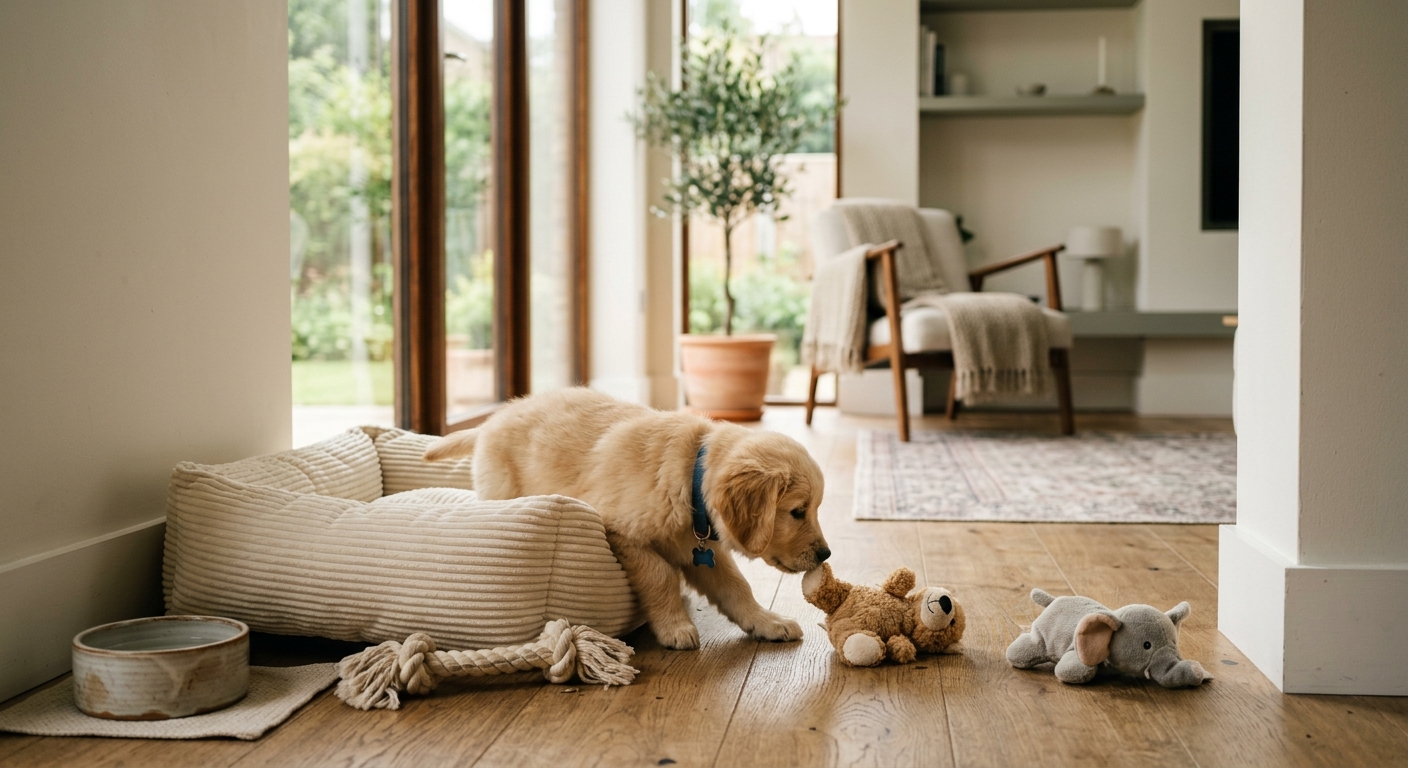
Build Up Gradually with Short Stays
The single best thing you can do is avoid making a week-long trip your puppy's first-ever time away from home. Think of it like building a muscle — start small and work your way up.
Consider this timeline:
- A few hours: Start with a daytime visit or half-day stay so your puppy can explore the new environment while you're nearby (or just a quick errand away).
- One overnight: Once your pup handles the short visit well, try a single overnight. This lets them experience the full routine — dinner, bedtime, morning — without the pressure of multiple days.
- A weekend: After a successful overnight, a two-night stay builds confidence and helps your puppy learn that you always come back.
Many sitters on the Ruh-Roh Retreat platform welcome these "trial run" bookings. It's a chance for your puppy to bond with their sitter in a low-pressure setting, and for you to see firsthand how your pup responds. Not sure what type of boarding is the right fit? Kennel vs. in-home boarding walks through the key differences so you can choose with confidence.
Socialize Before Boarding Day
A puppy who's only ever known your living room will find any new environment overwhelming. The more positive experiences your pup has with new people, places, and sounds before boarding, the easier that first stay will be.
Practical socialization steps:
- Invite friends over who can gently handle your puppy — different voices, different scents, different energy levels all help.
- Visit new environments like pet-friendly stores, outdoor cafes, or a friend's backyard. Let your puppy explore at their own pace without forcing interactions.
- Practice short separations at home. Leave the room for a few minutes, then return calmly. Gradually extend the duration. This teaches your puppy that alone time is normal and temporary.
- Expose them to household sounds they'll encounter in another home — doorbells, vacuums, different TV volumes. Pair these with treats to create positive associations.
The goal isn't to overwhelm your puppy. It's to gently expand their comfort zone so that a new home doesn't feel like an alien planet.
Schedule a Meet and Greet
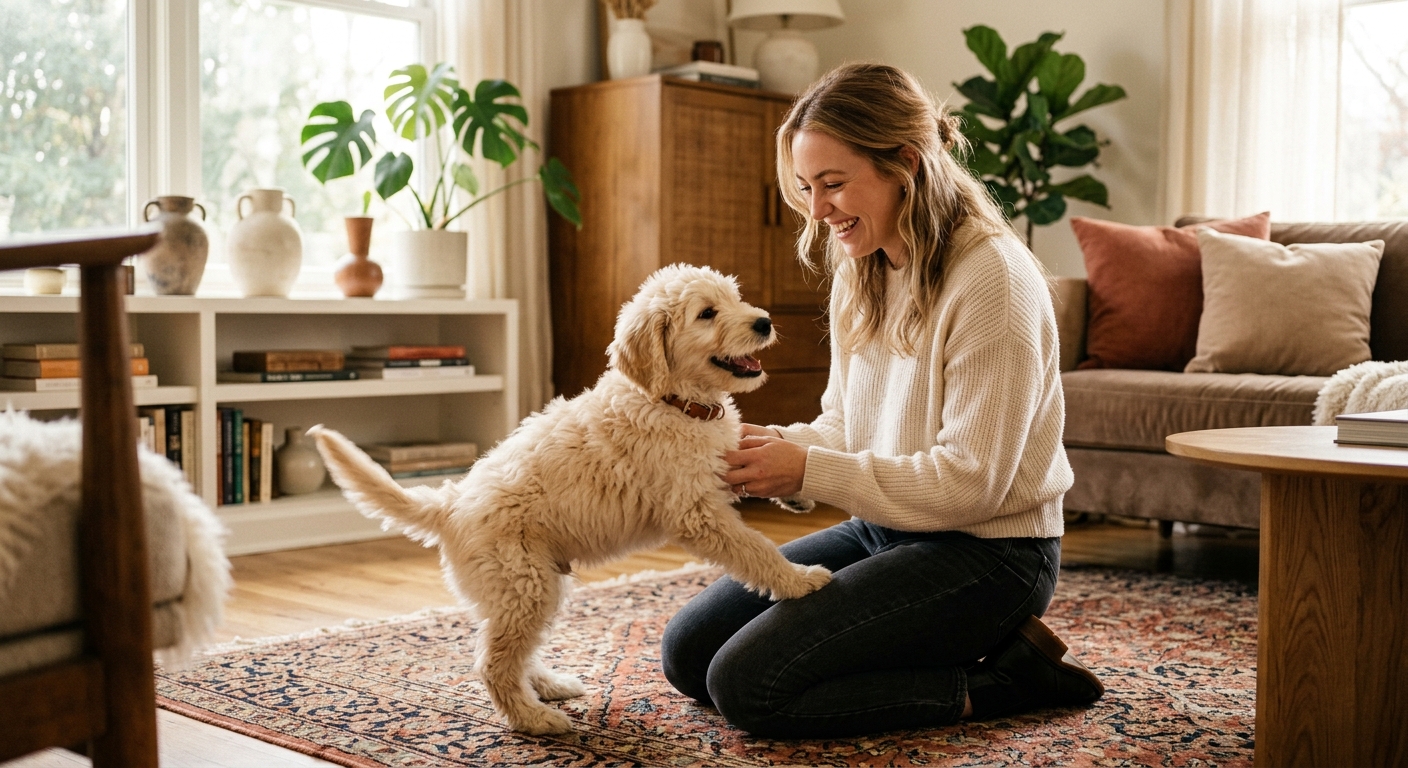
This step is non-negotiable. A meet and greet lets your puppy sniff out their temporary home, meet their sitter, and start building familiarity before the actual stay begins.
During the meet and greet, watch for these signals:
- Positive signs: Your puppy approaches the sitter with a wiggly body, explores the space with a wagging tail, or settles down to play.
- Cautious signs: Hiding behind your legs, excessive panting, or refusing treats. These don't mean boarding won't work — they mean your puppy might benefit from a second visit before the real stay.
Use this time to share everything about your puppy's routine, quirks, and needs. Ruh-Roh Retreat sitters tend to appreciate the details — what command means "outside," which side of the bed your puppy prefers, whether they're still working on house training. The more a sitter knows, the more seamlessly they can maintain your puppy's routine.
Pack Smart for a Young Pup
Puppies need a few extras beyond what an adult dog would require. Here's what to bring:
- Their regular food, pre-portioned into individual bags labeled with meal times. Puppies have sensitive stomachs, and a sudden diet change on top of a new environment is a recipe for digestive trouble.
- A familiar-smelling item — a worn t-shirt, their crate blanket, or a favorite stuffed toy. Scent is a puppy's strongest anchor to home.
- Treats for positive reinforcement. Let your sitter know which treats your puppy responds to, especially if you're using them for ongoing potty training.
- Written instructions for feeding schedule, potty schedule, medication (if any), and any commands your puppy knows. Puppies thrive on consistency, and written details prevent anything from slipping through the cracks. For a complete checklist of what to bring, see the packing list essentials for your dog's luxury staycation.
- Vaccination records. Many sitters on Ruh-Roh Retreat will ask for proof of up-to-date vaccinations, which protects your puppy and any other dogs in the home.
Know What to Expect Afterward
Even with perfect preparation, your puppy might act a little different when they come home. This is completely normal. Here's what you might see:
- Extra sleepiness. New environments are mentally exhausting for young dogs. Don't be surprised if your puppy crashes hard for the first day or two.
- Temporary clinginess. Your puppy might follow you from room to room more than usual. This fades quickly as they settle back into their home routine.
- Mild regression in house training or commands. The excitement and adjustment of boarding can cause small setbacks. Stay patient, stay consistent, and they'll bounce back within a few days.
- Increased confidence. Many pet parents notice that after a positive boarding experience, their puppy is actually more adaptable and less anxious in new situations going forward. Sitters who send daily photo and video updates make this reassurance even easier — you'll already know your pup had a great time.
Green Flags and Red Flags in a Puppy Sitter
Not every sitter is equally prepared for puppies. Young dogs have specific needs — higher energy, shorter attention spans, ongoing house training, and a developmental window that matters. Here's how to assess a sitter's suitability quickly:
Green flags:
- They ask specifically about your puppy's age, vaccination status, and current house training progress before agreeing to the booking
- They're comfortable with accidents and have a clear, calm approach to handling them
- They limit the number of adult dogs in the home during a puppy stay (high-energy adult dogs can overwhelm a young pup)
- They offer or mention structured daily routines — puppies need predictable schedules more than adult dogs do
- They proactively mention that they'll send frequent updates, understanding that puppy parents tend to worry more
Red flags:
- Vague answers about how they handle accidents or housebreaking setbacks
- No mention of a potty schedule or how frequently they take puppies outside
- Large numbers of dogs in the home simultaneously (overwhelming for a puppy still learning social cues)
- Reluctance to schedule a meet-and-greet beforehand
- No experience with puppies under one year old, especially for stays longer than one night
Puppies are forgiving — they adapt quickly when their environment is calm and consistent. But a first boarding experience that goes poorly can create lasting anxiety around boarding. The investment in choosing the right sitter upfront pays off every trip afterward.
A Note on Vaccination Timing
One thing that catches puppy parents off guard: many Ruh-Roh Retreat sitters ask for proof of age-appropriate vaccinations before accepting a guest dog. For puppies, this usually means the DHPP series is on schedule and the bordetella vaccine is current.
If your puppy's vaccine schedule is still in progress, coordinate with your vet to understand the timing before you book. Many vets will sign off on a boarding stay once the puppy has received at least their second round of core vaccines — but this varies, and your sitter deserves to know exactly where your pup stands before the stay begins.
Set Your Puppy Up to Love Boarding
The first boarding experience shapes how your puppy feels about every stay that follows. By building up gradually, socializing early, and choosing a sitter who genuinely connects with your pup, you're laying the foundation for years of stress-free trips.
Looking for a Ruh-Roh Retreat sitter who's experienced with puppies? Browse sitters on Ruh-Roh Retreat and find someone who'll make your puppy's first stay feel like a home away from home. Many platforms make it easy to find a sitter; Ruh-Roh Retreat makes it easier to find the right one — compare a curated community of experienced sitters and choose the experience that fits your individual dog.
You Might Also Like
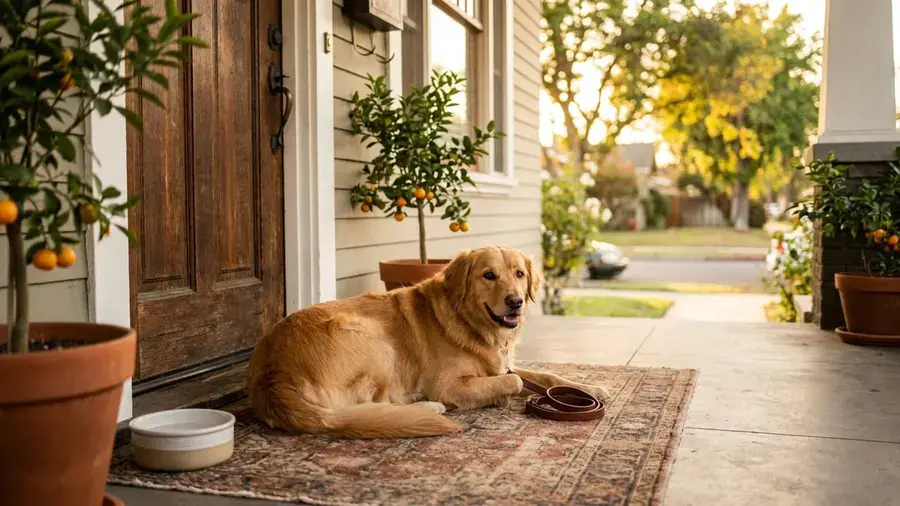 11 min
Jun 6, 2026
Dog Boarding in Tustin, CA: What Pet Parents Need to Know in 2026
Looking for dog boarding in Tustin, CA? Learn why local pet parents choose in-home boarding, what to ask before you book, how pricing works, and how Tustin's proximity to Irvine widens your sitter options.
Read More →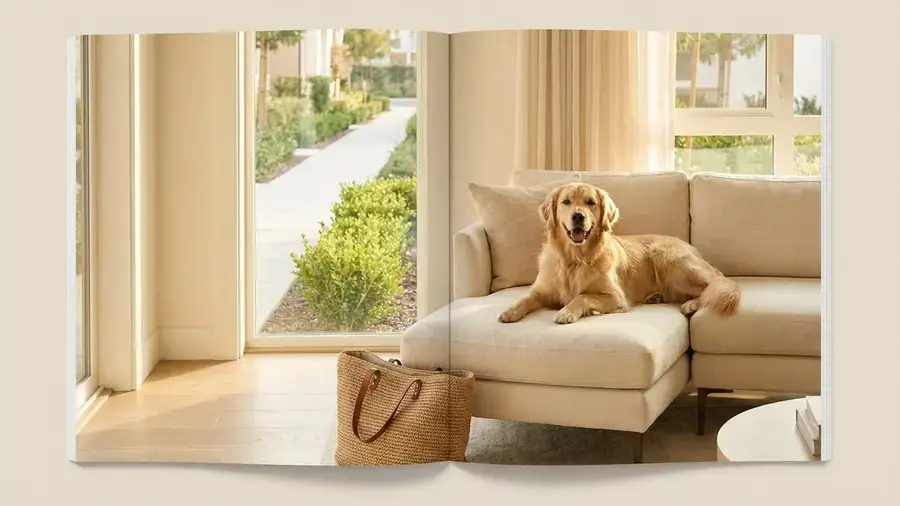 12 min
May 16, 2026
The Ultimate Guide to Dog Boarding in Irvine, CA (2026 Edition)
Looking for dog boarding in Irvine, CA? This comprehensive guide covers your options, what to ask before booking, how pricing works, and why in-home boarding fits Irvine pet parents particularly well.
Read More →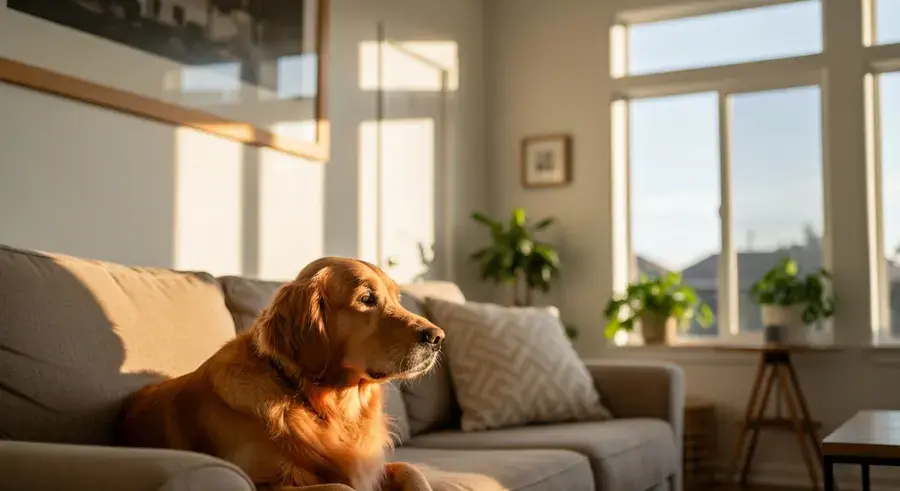 11 min
May 5, 2026
Dog Sitting in Irvine, CA: What Pet Parents Should Know Before Booking
Looking for dog sitting in Irvine, CA? Here's what pet parents in Irvine should know about finding the right sitter, what to expect, and how in-home dog sitting compares to kennels.
Read More →