
Packing List: Essentials for Your Dog's Luxury Staycation
8 min read
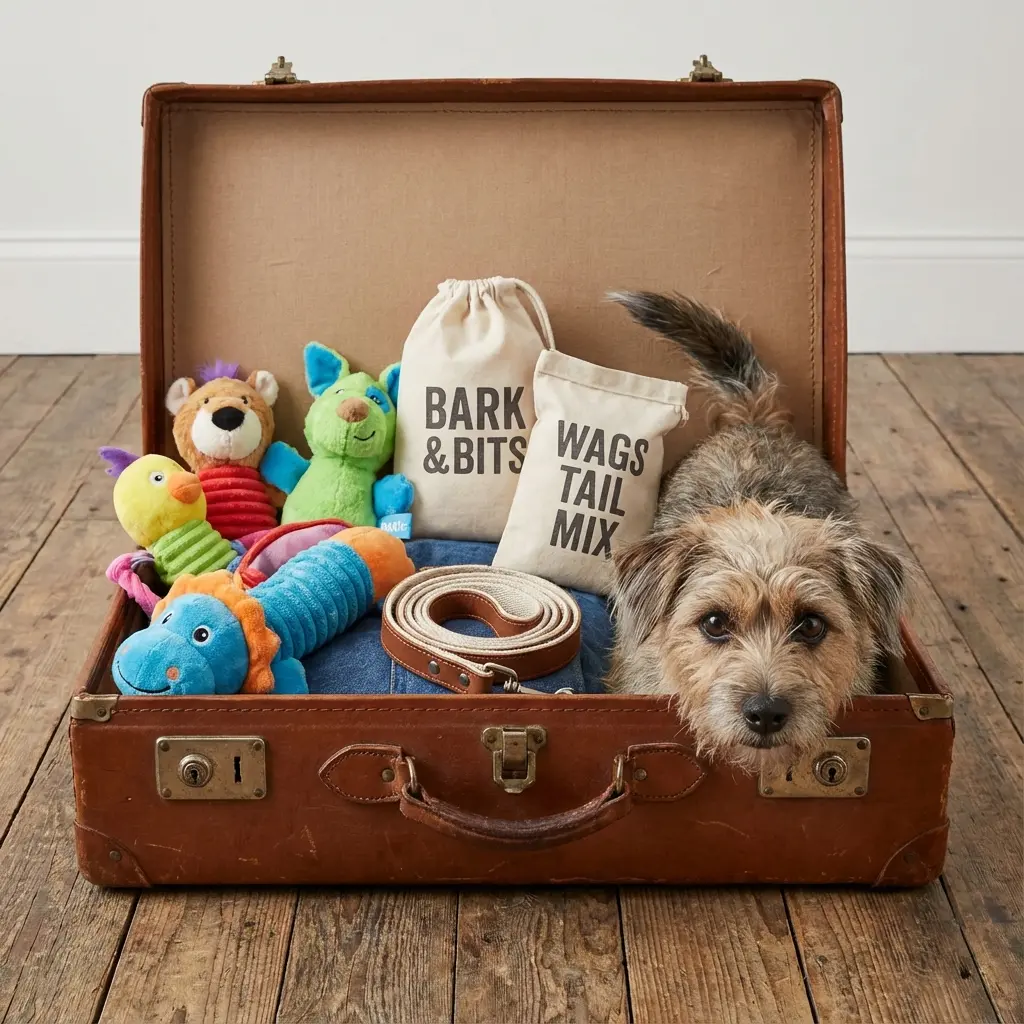
Packing for your own vacation is stressful enough — you shouldn't have to worry about your dog's suitcase, too! But a little preparation before drop-off day makes an enormous difference for how quickly your dog settles into their temporary home.
The right items don't just make life easier for your sitter — they actively help your dog feel secure, comfortable, and at home from the moment they arrive. To make drop-off day a breeze, here is the ultimate packing checklist for a stay at Ruh-Roh Retreat.
The Non-Negotiables
These items are essential every single stay. Don't leave home without them.
1. Food (Pre-Portioned)
This is the single most important item in the bag. Dogs have sensitive digestive systems, and sudden changes in food — even switching between the same brand's formulas — can cause stomach upset. Add the excitement and mild stress of a new environment, and dietary disruption can quickly become a bigger problem.
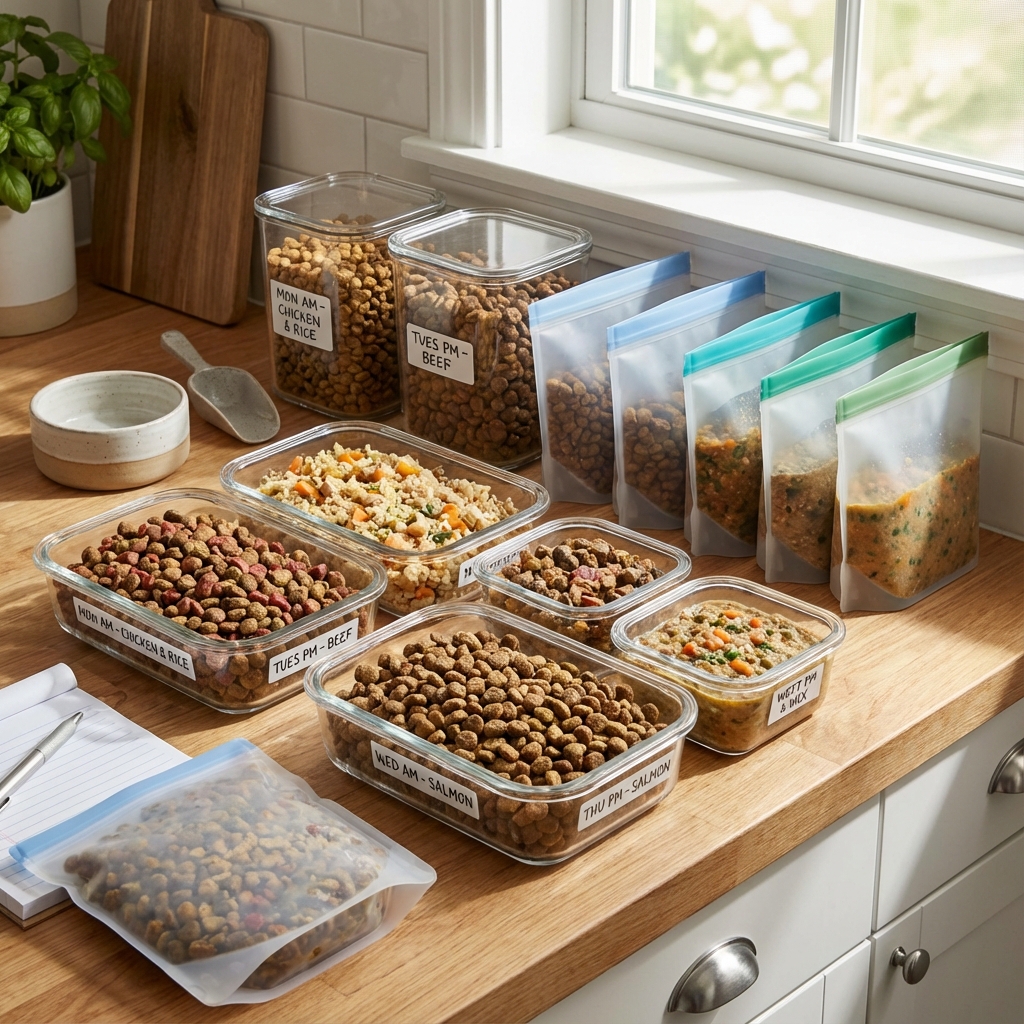
The gold standard: pre-portion each meal into individual labeled bags. Use Ziploc bags or small resealable containers and label each one with the day and time it should be fed (e.g., "Monday AM," "Monday PM"). Include a small card or note with the exact serving instructions: how much, any mix-ins like toppers or broths, and any foods your dog absolutely cannot have.
If your dog is on a raw food diet, consider bringing a small cooler for the first day's portions and coordinating with your sitter on refrigerator space for the rest.
2. Medications and Supplements
If your dog takes any medications — prescription or over-the-counter, daily or as-needed — bring them in the original bottle with the pharmacy label intact. This makes it easy for the sitter to verify dosing instructions and is important in the unlikely event of an emergency vet visit.
Include a written note that covers:
- Medication name and dose
- Timing (with food? at a specific time of day?)
- What the medication is for (context helps)
- Any side effects to watch for
Many sitters on Ruh-Roh Retreat have experience administering medications including pills, liquid suspensions, eye drops, ear drops, and even insulin injections. If your dog has complex medical needs, mention this when reaching out to sitters and confirm comfort and experience before booking.
Also include any daily supplements — joint support, probiotics, fish oil, CBD — with the same written instructions. Even if your dog has been on a supplement for years, it's easy for a sitter to miss a step without clear notes.
3. Collar with ID Tag
Even in a secure home environment, ID is essential. Your dog should wear a properly fitted collar with an up-to-date ID tag at all times during their stay. The tag should include at minimum your current phone number and ideally a second contact number.
If your dog is microchipped — which is strongly recommended — bring a copy of the microchip registration with your current contact details, and confirm those details are current in the registry. Tags can slip off; microchips are permanent.
Comfort Items (Highly Recommended)
These aren't strictly necessary, but they make a real difference in how quickly your dog settles in. The science of scent is powerful — familiar smells signal safety to a dog's brain in a way that nothing visual or auditory can match.
4. A Piece of Home
Before you pack, wear a t-shirt or sleep in it for a night, then seal it in a bag until drop-off. A worn item of your clothing is one of the most powerful comfort objects you can bring. Your dog's nose can detect even trace amounts of your scent, and having that scent in the sleeping environment has been shown to reduce stress hormones in dogs during novel situations.
Similarly, a blanket or pillow from your dog's bed at home carries the combined scent of your household — you, the house itself, even the familiar smell of your furniture. This "scent anchor" is especially valuable during the first night, when a new environment can feel overwhelming.
If your dog sleeps with a particular toy or stuffed animal, bring that too. The familiarity of a well-loved object can bridge the psychological gap between home and the new setting.

5. Their Favorite Toy
Does your dog have a specific stuffed squeaker they carry everywhere? A tennis ball they've been carrying around for six months? Bring it.
A few notes on toys:
- Avoid high-value chews (bully sticks, antlers, raw bones) if your dog has any resource-guarding tendencies. These items can trigger guarding behavior even in dogs who never show it at home.
- Label everything. Use a permanent marker on the toy or a small luggage tag. Sitters often have their own toys for guest dogs and things can get mixed up.
- Bring a backup. If your dog has a beloved toy, consider packing a secondary toy of similar type in case the primary gets lost or destroyed.
6. A Written Profile of Your Dog
This one is optional but worth doing for any stay longer than a night or two. A one-page "user guide" for your dog is genuinely useful and many attentive sitters love having it. Include:
- Daily schedule (wake time, walk times, meal times, nap patterns, bedtime)
- Behavioral notes (nervous around men in hats, barks at skateboards, afraid of thunderstorms)
- What calms them down
- Their favorite games and activities
- Any words or commands they know
- Whether they are allowed on furniture
- What "good tired" looks like for them vs. "stressed" looks like
Sitters on Ruh-Roh Retreat typically ask for much of this information during the intake process, but having it written down prevents things from being missed. If you want to go deeper on why routine details matter so much for boarding, our post on the importance of routine and structured care explains the behavioral science behind it.
What You Can Leave at Home
Part of packing smart is knowing what not to bring. These items are usually unnecessary and can add confusion or clutter:
- Food and water bowls. Many sitters have stainless steel bowls that are washed between uses. Unless your dog uses a specialized bowl (slow feeder, elevated stand, specific size), leave yours at home.
- Large dog beds. Many sitters have orthopedic beds in multiple rooms. If your dog has a favorite bed, a small blanket or cover from it carries more scent than the whole bulky bed and travels much better.
- Full-sized crates. Sitters often have standard crates available. If your dog requires a very specific crate (extra heavy duty for escape artists, or an unusually large size), let your sitter know in advance rather than showing up with it unannounced.
- Expensive or irreplaceable items. If the toy or blanket has sentimental value beyond its comfort function, bring a copy or substitute rather than the original.
A Quick Pre-Departure Checklist
Before drop-off day, run through this list:
- [ ] Food pre-portioned and labeled
- [ ] Medications in original bottles with written instructions
- [ ] Collar properly fitted with current ID tag
- [ ] Worn clothing item or scented blanket sealed in a bag
- [ ] Favorite toy labeled with your dog's name
- [ ] Written dog profile or key notes card
- [ ] Emergency contact numbers and your vet's information given to the sitter
- [ ] Vet authorization form signed (many sitters request one)
When you are prepared, drop-off day shifts from stressful to easy. Your sitter has everything they need, your dog has the scent of home in their bag, and you can leave for your trip with genuine peace of mind — knowing your dog is set up for a great stay.
For more on how sitters at Ruh-Roh Retreat approach the boarding experience, check out what boutique dog boarding is and why it matters.
Looking for a sitter who will treat your dog like a treasured houseguest? Many platforms make it easy to find a sitter; Ruh-Roh Retreat makes it easier to find the right one — compare a curated community of experienced sitters and choose the experience that fits your individual dog. Browse sitters on Ruh-Roh Retreat and find the right match for your pup.
You Might Also Like
 9 min
9 minJul 11, 2026
How Much Is a Dog Hotel Per Night? Orange County Pricing Explained (2026)
How much is a dog hotel per night? Here's what Orange County pet parents actually pay in 2026 — typical nightly rates, what a per-night price includes, and how to compare quotes before you book.
Read More → 8 min
8 minJul 4, 2026
How to Book a Dog Sitter Online in Orange County: A Step-by-Step Guide
Learn how to book a dog sitter online in Orange County — from comparing sitters to a meet-and-greet to confirming dates — plus the trust signals worth checking before you commit.
Read More → 8 min
8 minJun 30, 2026
July 4th in Orange County: Where to Board Your Dog During Fireworks Season
July 4th is the single biggest day of the year for lost pets nationwide. Here's how Orange County pet parents in Irvine, Costa Mesa, San Juan Capistrano, and Wildomar can plan dog boarding around fireworks season — plus how to keep an anxious dog safe at home.
Read More →