
How to Choose the Safest Dog Sitter in Orange County
7 min read
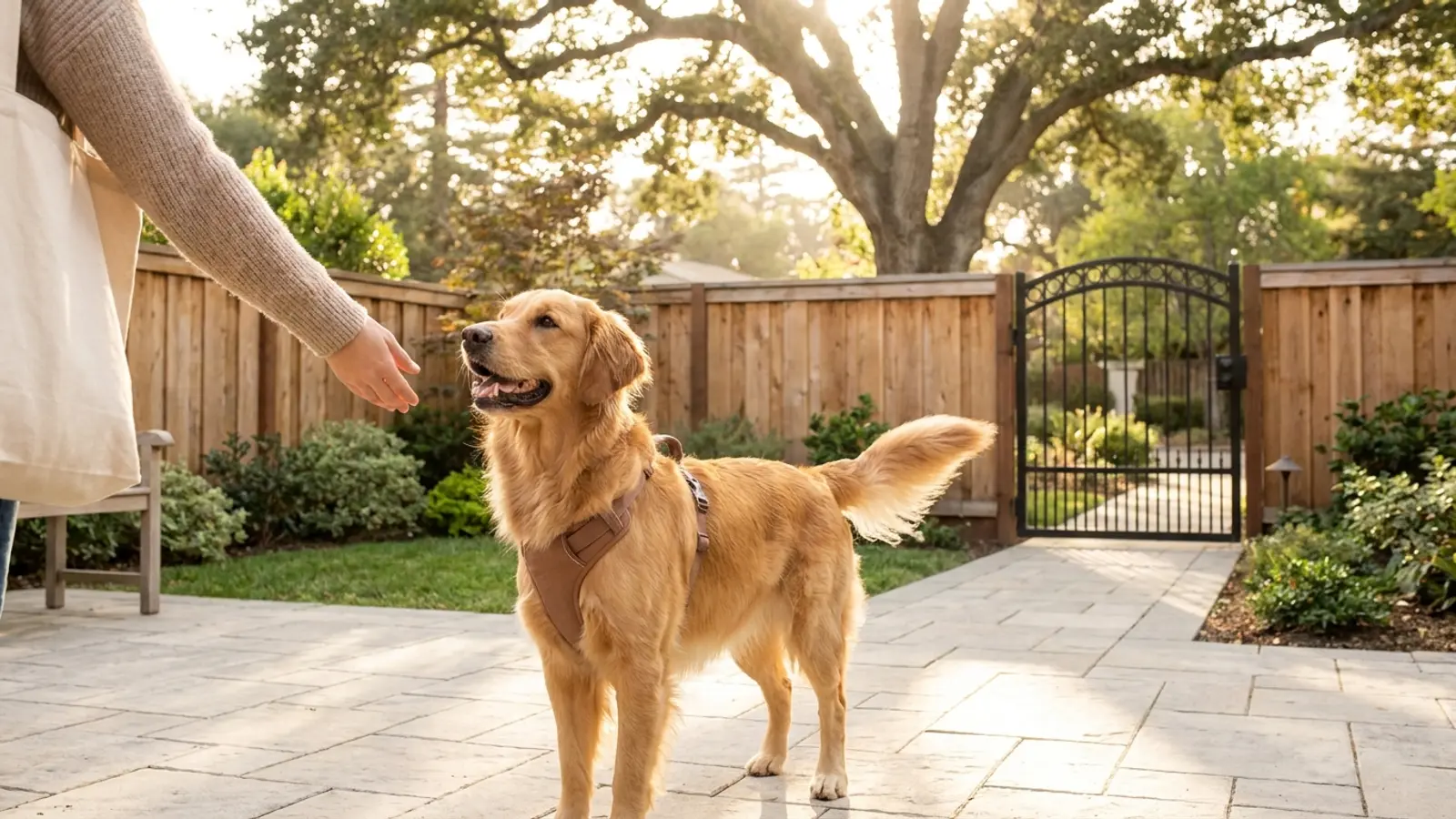
With so many ways to find a pet sitter online, it's harder than ever to know who is genuinely qualified. Ruh-Roh Retreat is a curated marketplace where sitters apply to join and are expected to meet minimum experience expectations before being accepted. Your dog is family, and their safety should never be a gamble.
Orange County has no shortage of people willing to watch your dog for a weekend. But the difference between the first available sitter and a genuinely experienced pet care professional can be enormous — and the stakes are high. Dog bites, escape incidents, medication errors, and behavioral crises can all happen in the wrong hands. This guide gives you the exact questions to ask and the red flags to watch for before you hand over the leash.
1. Are They Insured and Bonded?
Accidents happen. A professional sitter will carry comprehensive pet sitting insurance — programs through organizations like Pet Care Insurance (PCI) or the Pet Sitters Associates (PSA) are industry standards. These policies typically cover veterinary care if your dog gets injured while in the sitter's care, as well as liability in the event of third-party property damage.
Ask to see proof of insurance. If a sitter hesitates or claims they don't need it, that's a red flag. This is one of the clearest markers that separates casual babysitters from professionals who take their work seriously.
Also ask whether they have a written service agreement. A professional agreement protects both parties and signals that the sitter has thought through their policies on things like emergency vet authorization, cancellations, and what happens if your dog becomes seriously ill.
2. What Does Their Screening Process Look Like?
Does the sitter have a criminal background check? If they operate through a platform, does that platform have any process for evaluating who joins?
This is an area where platforms vary enormously. Some platforms keep onboarding light and quick. Others have layered screening processes that include background checks, reference calls, and practical assessments.
On Ruh-Roh Retreat, all independent sitters complete a professional third-party background check before joining the platform, and the community tends to attract people with hands-on experience in pet care — not just dog lovers with good intentions. When you read a sitter profile, look for concrete experience: years working with animals, specific breeds they have cared for, any professional certifications or training.

3. Physical Safety of the Home
If you are choosing in-home boarding — one option many pet parents weigh against a traditional kennel when deciding what fits their individual dog, as explored in our post on kennel vs. in-home boarding — the environment itself must be secure before any other qualities matter.
Here are the specific physical safety factors to evaluate:
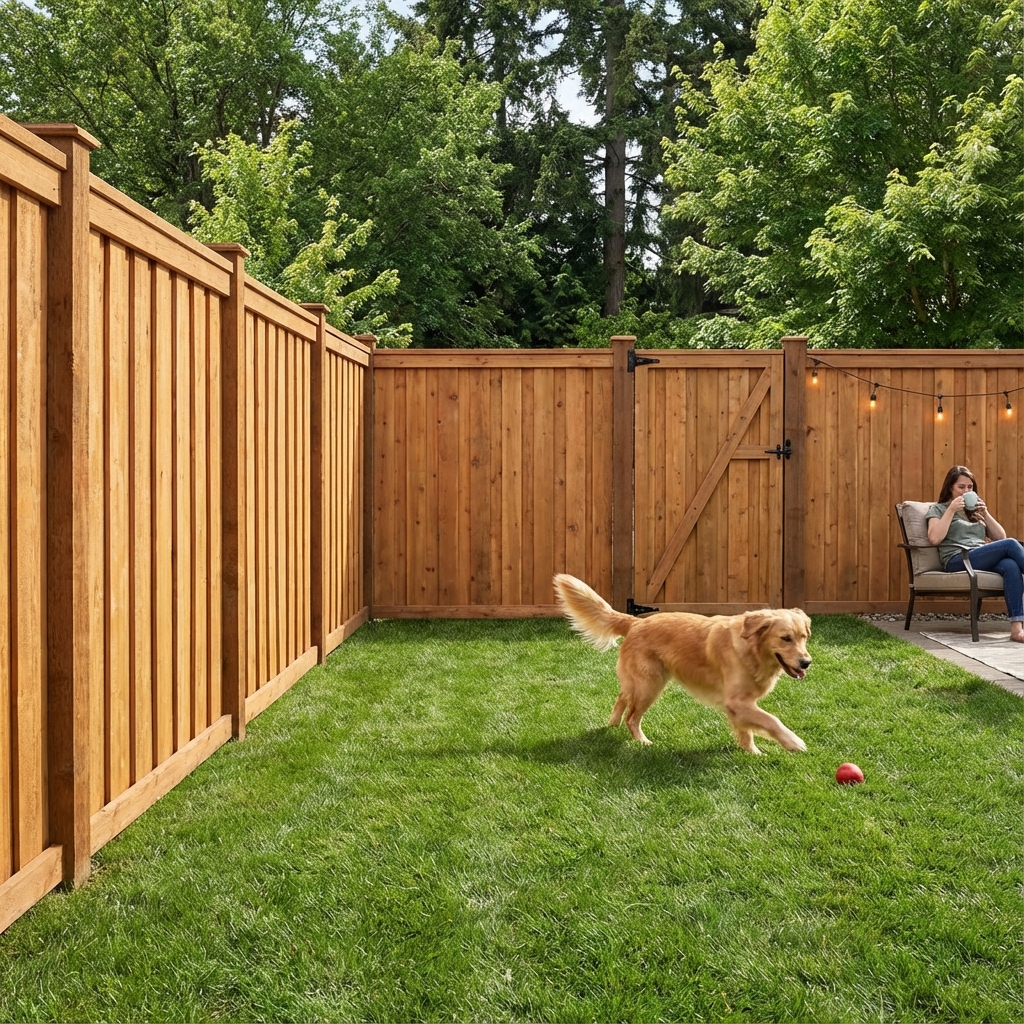
- Fencing: Is the yard fully fenced? Are there gaps a small dog could squeeze through? What is the fence height — could a determined Husky or Labrador clear it? Are there self-latching gates?
- Toxic plants: Many common California garden plants are toxic to dogs, including sago palm, oleander, lantana, and eucalyptus. Ask the sitter if they have done a walkthrough with pet safety in mind.
- Household chemicals: Cleaning products, pesticides, and even some essential oil diffusers can be dangerous. Ask how these are stored.
- Stairs and fall hazards: For senior dogs or small breeds, ask whether the sitter's home has any fall risks and what precautions they take. Our post on why senior dogs need specialized boarding care covers this in more detail.
- Dog separation capability: If the sitter hosts more than one dog at a time, can they separate dogs if a conflict arises? Even well-socialized dogs can have resource-guarding incidents around food or high-value toys.
- Entry and exit security: Double-gating (two barriers between the dog and the outside world) is a best practice that many experienced sitters implement. Ask specifically about the front door, as this is where most escape incidents occur.
4. Experience with Emergencies
This is the question most pet parents forget to ask — and it may be the most important one. Ask the sitter directly:
- "What would you do if my dog started choking?"
- "What is your protocol if my dog gets into something toxic in your yard?"
- "What emergency vet do you use, and have you been there before?"
- "Have you ever had to rush a dog to the emergency vet? What happened?"
A qualified sitter will have clear, confident answers. They should know pet CPR and first aid — ideally with formal certification through programs like the American Red Cross Pet First Aid course or Fear Free certification. They should know the name and location of the nearest 24-hour emergency veterinary clinic (in Orange County, options include VCA Orange County Veterinary Specialists, South Orange County Emergency Pet Clinic, and others).
Sitters who have actually dealt with emergencies often speak about the experience matter-of-factly. That calm confidence comes from preparation, not luck.
5. How Do They Handle Difficult Dogs?
Not every dog is easy. Ask the sitter how they would handle a dog that guards food, snaps when startled, or becomes reactive on leash. Their answer reveals a great deal about their training philosophy and experience.
Watch for any mention of punishment-based methods — things like alpha rolls, yelling, leash pops as a primary correction, or isolation as punishment. Research consistently shows these approaches can increase anxiety and aggression, especially in already-stressed dogs.
Experienced sitters tend to use management (keeping dogs separated at feeding time, using baby gates, rotating play) and positive reinforcement techniques rather than force-based corrections. They often describe themselves as "reading the dog" — adjusting their approach based on what the individual dog is communicating.
6. What Does a Meet and Greet Look Like?
A meet and greet is your opportunity to observe the sitter with your specific dog — and it tells you a great deal. Here's what to watch for:
- Do they get down on the dog's level or crouch to make themselves less imposing?
- Do they let the dog approach them rather than rushing over to pet?
- Do they ask about your dog's specific triggers, fears, and preferences — not just generic questions?
- Are they genuinely curious about your dog's personality, or do they seem to be going through a checklist?
A great sitter will ask about feeding schedules, medical history, behavioral quirks, preferred sleeping arrangements, and what your dog finds most comforting. This level of curiosity is a sign that they are already thinking about how to make your specific dog feel at home.
If a sitter skips the meet and greet entirely or treats it as a formality, consider that a warning sign.
Trust Your Gut — But Verify It Too
Finally, observe how the sitter interacts with your dog during the Meet and Greet. Do they get down on the dog's level? Do they ask about triggers and fears? How does your dog respond to them — relaxed curiosity, or stiff body language and whale eyes?
Safety isn't just about fences and locks. It's about a sitter who is attentive, knowledgeable, and genuinely cares about the individual animal in their care. Paperwork and credentials matter, but so does the quiet way a good sitter settles a nervous dog with a soft voice and patient body language.
The best sitters in Orange County don't just love dogs in the abstract — they love your dog, specifically. And that's what you're looking for.
Ready to find a sitter you can genuinely trust? Many platforms make it easy to find a sitter; Ruh-Roh Retreat makes it easier to find the right one — compare a curated community of experienced sitters and choose the experience that fits your individual dog. Browse experienced sitters on Ruh-Roh Retreat and connect with professionals who take pet safety seriously.
You Might Also Like
 9 min
9 minJul 11, 2026
How Much Is a Dog Hotel Per Night? Orange County Pricing Explained (2026)
How much is a dog hotel per night? Here's what Orange County pet parents actually pay in 2026 — typical nightly rates, what a per-night price includes, and how to compare quotes before you book.
Read More → 8 min
8 minJul 4, 2026
How to Book a Dog Sitter Online in Orange County: A Step-by-Step Guide
Learn how to book a dog sitter online in Orange County — from comparing sitters to a meet-and-greet to confirming dates — plus the trust signals worth checking before you commit.
Read More → 8 min
8 minJun 30, 2026
July 4th in Orange County: Where to Board Your Dog During Fireworks Season
July 4th is the single biggest day of the year for lost pets nationwide. Here's how Orange County pet parents in Irvine, Costa Mesa, San Juan Capistrano, and Wildomar can plan dog boarding around fireworks season — plus how to keep an anxious dog safe at home.
Read More →