
Sniffari Nature Walks: More Than Just a Walk in the Park
7 min read
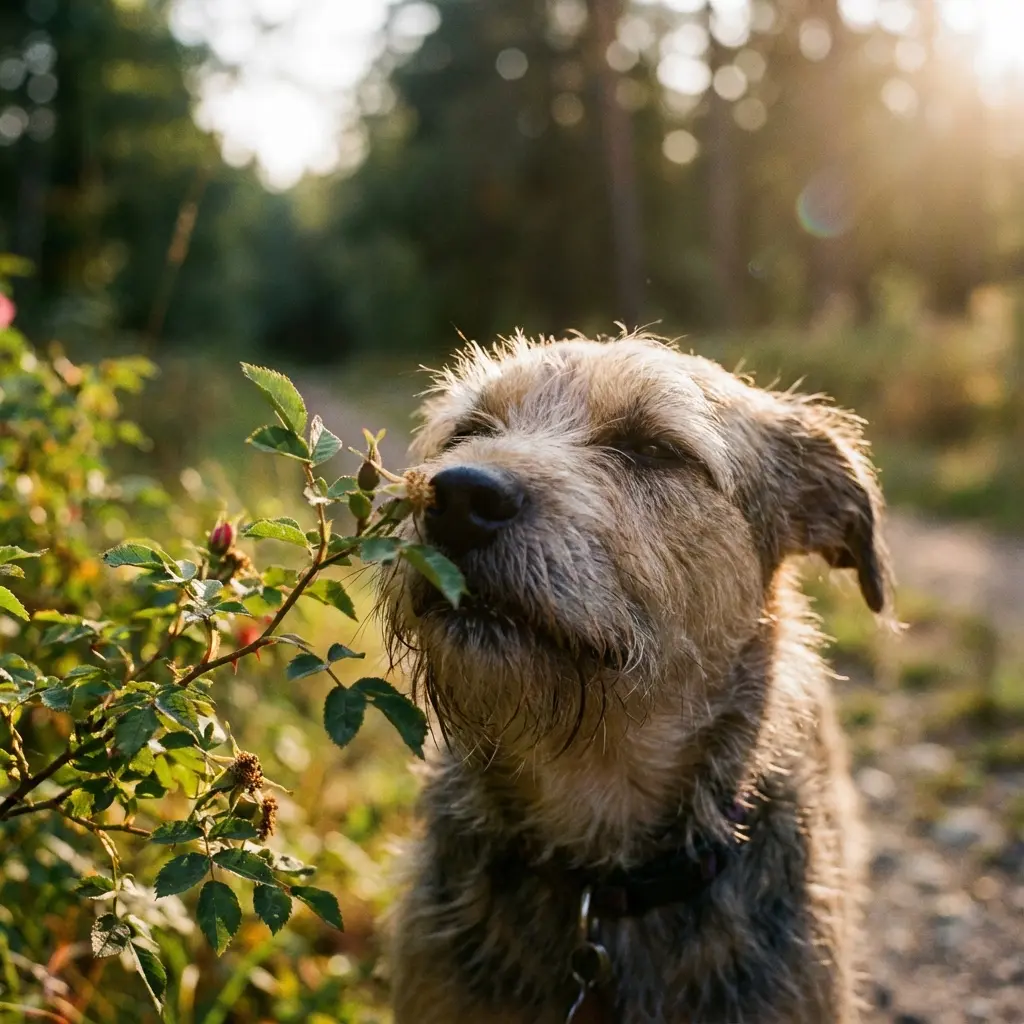
When you walk your dog, are you on a mission to get from Point A to Point B? If so, you might be missing out on the most enriching part of the walk for your dog: the sniffing.
Many sitters on Ruh-Roh Retreat embrace a practice sometimes called "Sniffari" walks. These aren't power walks for exercise; they are decompression sessions for the brain. And once you understand why sniffing matters so deeply to your dog, you'll never look at a fire hydrant the same way again.
The Nose Knows
A dog's sense of smell is their primary way of interacting with the world. While humans have roughly 6 million olfactory receptors, dogs have an estimated 300 million. Their brains also dedicate about 40 times more neural tissue to processing smells than ours do. Navigating a neighborhood without sniffing is like walking through an art gallery blindfolded.
When a dog sniffs, they are processing complex information: who was here, what did they eat, is there a squirrel nearby, is that dog intact or neutered, is another dog feeling fearful or playful? This mental effort is just as tiring — if not more so — than physical exercise.
Studies in animal behavior have shown that scent work can reduce a dog's heart rate, lower stress hormones, and produce a measurable sense of calm. One landmark study found that dogs given 20 minutes of nose work showed greater optimism in subsequent tests compared to dogs given the same amount of time on physical exercise alone. The olfactory system is directly linked to the limbic brain — the emotional center — which is why sniffing has such a profound calming effect.
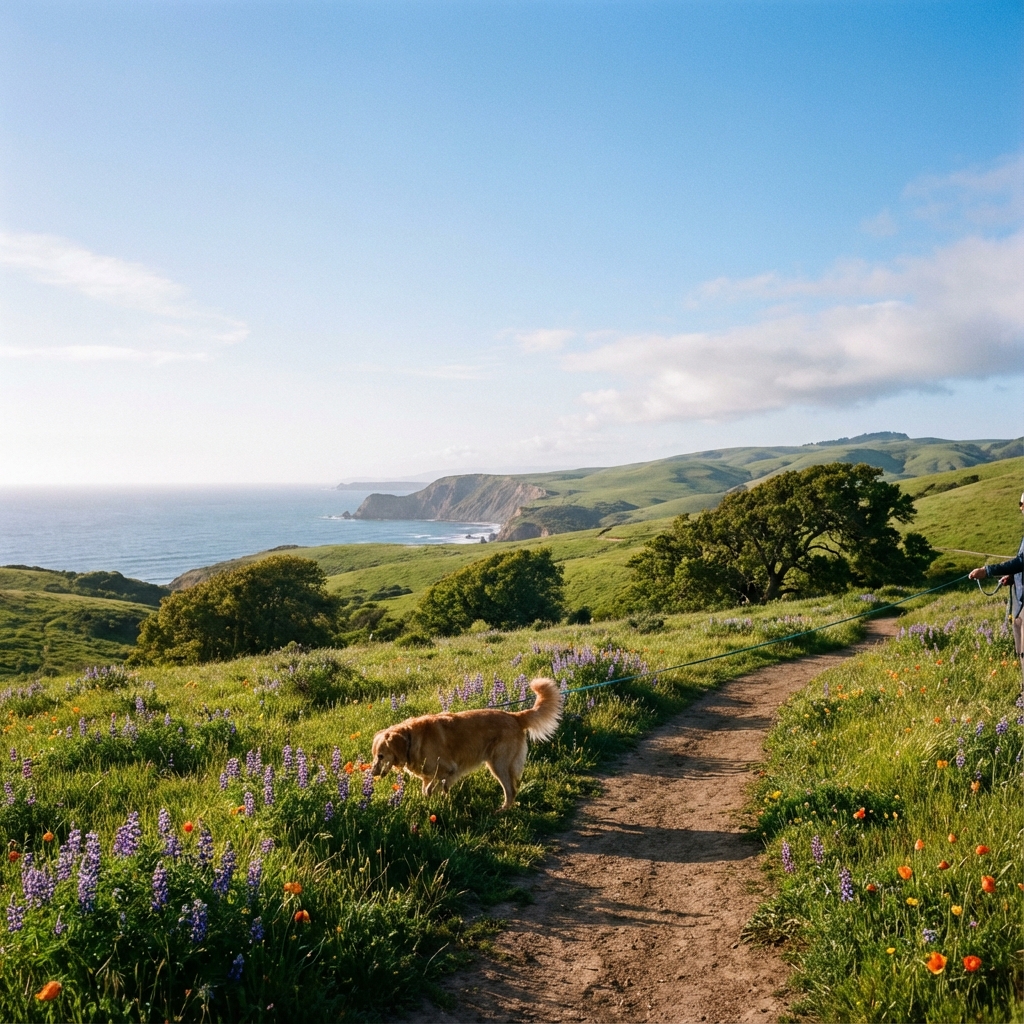
What is a Sniffari?
A Sniffari is a dog-led walk. It flips the traditional model of a walk, where the human sets the pace and direction, and gives the dog full control over what gets investigated and for how long.
Here's how sitters on Ruh-Roh Retreat tend to approach them:
- Long Leash: Sitters often use a longer leash — typically 10 to 20 feet — to give the dog freedom to explore safely. This removes the constant leash tension that can put a dog in a state of low-level arousal.
- Dog's Pace: If they want to spend 3 minutes sniffing a single blade of grass, they let them. There is no rush. No destination. The goal is exploration, not distance.
- Nature Rich: Routes with grass, dirt, leaves, tree roots, and hedges are far more stimulating than concrete sidewalks. Orange County has fantastic options — from the natural habitat trails at Irvine Regional Park to the grassy paths winding through Quail Hill. (Check out our guide to top dog-friendly hiking spots in Irvine and Orange County for specific trail recommendations.)
- Zero Interruption: The sitter follows; the dog leads. Commands for heeling or directional cues are kept to a minimum unless safety requires it.
The Benefits of Decompression
Sniffing lowers a dog's pulse rate and encourages them to relax. It releases dopamine and engages their natural seeking instincts — the same drive that motivates a wolf to track prey across miles of terrain. For a domestic dog living in a house, a Sniffari is one of the few opportunities to exercise this hardwired behavior in a socially appropriate way.
After a 30-minute Sniffari, dogs typically return home feeling satisfied and "good tired." They are less likely to be destructive or anxious because their biological needs have been met. This is especially valuable for high-energy breeds like Border Collies, Belgian Malinois, and Weimaraners, who can become problematic when under-stimulated, but it applies just as much to a middle-aged Labrador or a senior Beagle.
For dogs that are recovering from injury or surgery and cannot do vigorous physical exercise, Sniffari walks are often a veterinarian-recommended alternative. The mental fatigue from 20 minutes of intensive sniffing can rival what an hour of fetch would produce.
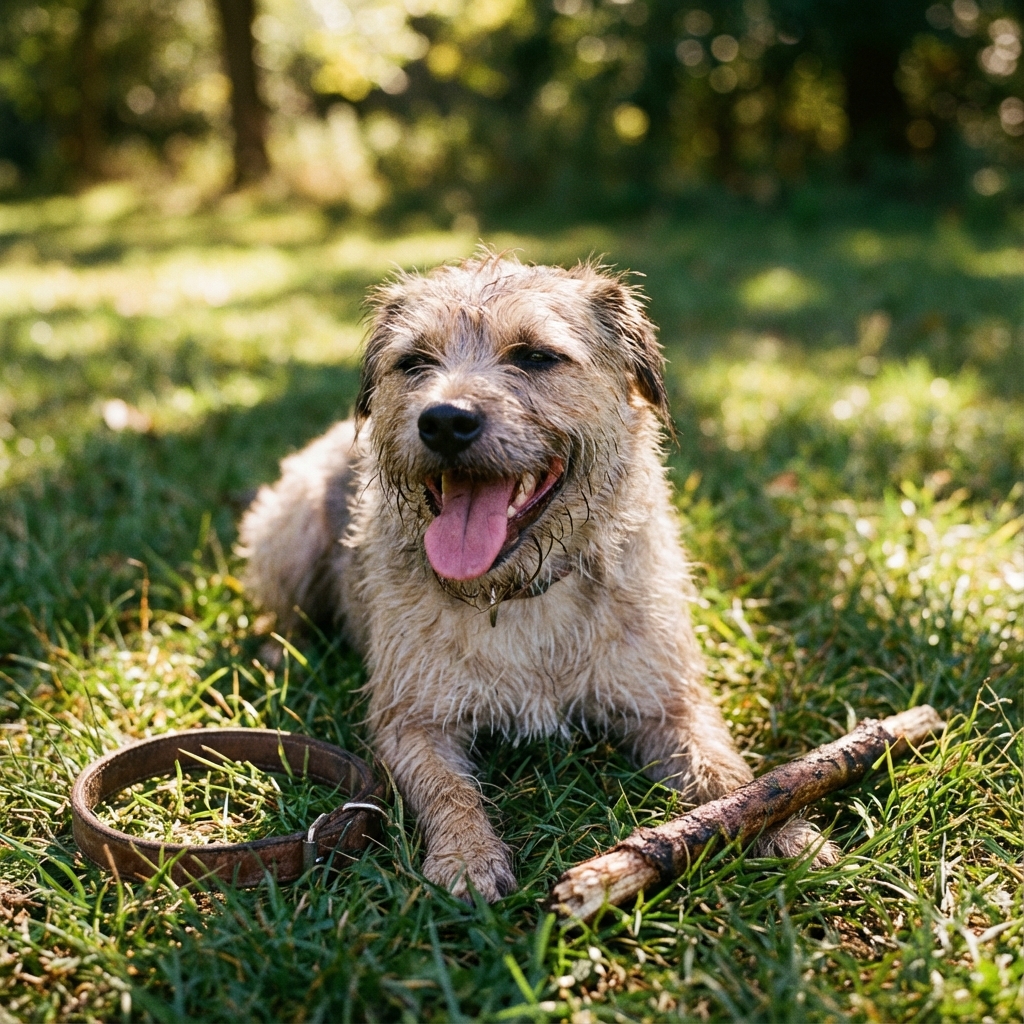
Sniffari Walks and Boarding Anxiety
One of the most powerful applications of Sniffari walks is during the boarding period itself. When a dog arrives at a new home environment, they are flooded with unfamiliar scents. Everything is unknown. A Sniffari walk in the immediate neighborhood of the sitter's home can function as a "scent orientation" — helping the dog map out the new territory and build a mental picture of where they are.
Sitters on the platform who prioritize enrichment-based activity often take boarding dogs on a Sniffari within the first hour of arrival, allowing the dog to "read" the local environment before settling in. Many owners report that their dogs seem notably calmer and more relaxed after this initial orientation walk compared to dogs who go straight from drop-off to the backyard.
If your dog tends to be anxious in new environments, this approach pairs beautifully with the kind of structured routine that reduces boarding stress.
How to Start at Home
You don't need a professional sitter or a nature reserve to try a Sniffari. Here's how to bring this practice into your own daily walks:
- Swap one walk per day. Instead of your usual brisk 20-minute walk, designate one walk per day as a Sniffari. Drop your expectations about distance covered.
- Get a longer leash. A biothane long line or a standard 15-foot training leash gives your dog room to range while you maintain control.
- Choose terrain thoughtfully. Grass verges, parks, and wooded areas are richer sniffing environments. Even a grassy median in a suburban street is more interesting than a paved path.
- Resist the urge to hurry. This one is genuinely hard, especially for people who walk dogs as their own exercise. Consider it a moving meditation.
- Watch what changes. After a few weeks of regular Sniffari walks, most owners notice their dog seems more relaxed at home, sleeps more soundly, and shows less pacing or restlessness.
Sniffaris as Brain Games
If outdoor walking isn't always possible — due to weather, time, or mobility — you can recreate some of the cognitive benefit indoors. Scatter feeding (hiding your dog's kibble in grass or a snuffle mat), nose work games (hiding treats under cups or in boxes), and DIY scent trails around the house all engage the same olfactory circuits. These can supplement Sniffari walks on days when getting out isn't practical.
For dogs with separation anxiety, combining regular Sniffari walks with sniff-based enrichment games can meaningfully reduce overall anxiety levels over time by providing an appropriate outlet for the seeking drive that anxiety tends to hijack.
The Bigger Picture
Walking your dog is more than a bathroom break. It is one of the richest sensory experiences in their day. When you give your dog the freedom to explore at their own pace — to read the invisible newspaper left behind by every passing cat, squirrel, and neighbor — you are honoring their nature.
Sitters on Ruh-Roh Retreat who offer Sniffari walks are making a deliberate choice to put the dog's experience first, even if it means the walk covers only half a block in 30 minutes. And that is exactly the point.
So next time you're out, put away the phone, loosen the leash, and let your dog lead the way. It's their walk, after all.
Ready to find a sitter who genuinely loves getting into the weeds (literally) for your dog? Many platforms make it easy to find a sitter; Ruh-Roh Retreat makes it easier to find the right one — compare a curated community of experienced sitters and choose the experience that fits your individual dog. Browse sitters on Ruh-Roh Retreat and discover enrichment-focused care in Orange County.
You Might Also Like
 9 min
9 minJul 11, 2026
How Much Is a Dog Hotel Per Night? Orange County Pricing Explained (2026)
How much is a dog hotel per night? Here's what Orange County pet parents actually pay in 2026 — typical nightly rates, what a per-night price includes, and how to compare quotes before you book.
Read More → 8 min
8 minJul 4, 2026
How to Book a Dog Sitter Online in Orange County: A Step-by-Step Guide
Learn how to book a dog sitter online in Orange County — from comparing sitters to a meet-and-greet to confirming dates — plus the trust signals worth checking before you commit.
Read More → 8 min
8 minJun 30, 2026
July 4th in Orange County: Where to Board Your Dog During Fireworks Season
July 4th is the single biggest day of the year for lost pets nationwide. Here's how Orange County pet parents in Irvine, Costa Mesa, San Juan Capistrano, and Wildomar can plan dog boarding around fireworks season — plus how to keep an anxious dog safe at home.
Read More →